
Schedule I
TVGS
Installs
14M+
Developer
TVGS
-
Category
Simulation
-
Content Rating
16
Developer Email
Privacy Policy
https://www.scheduleonegame.com/privacy.html
Screenshots
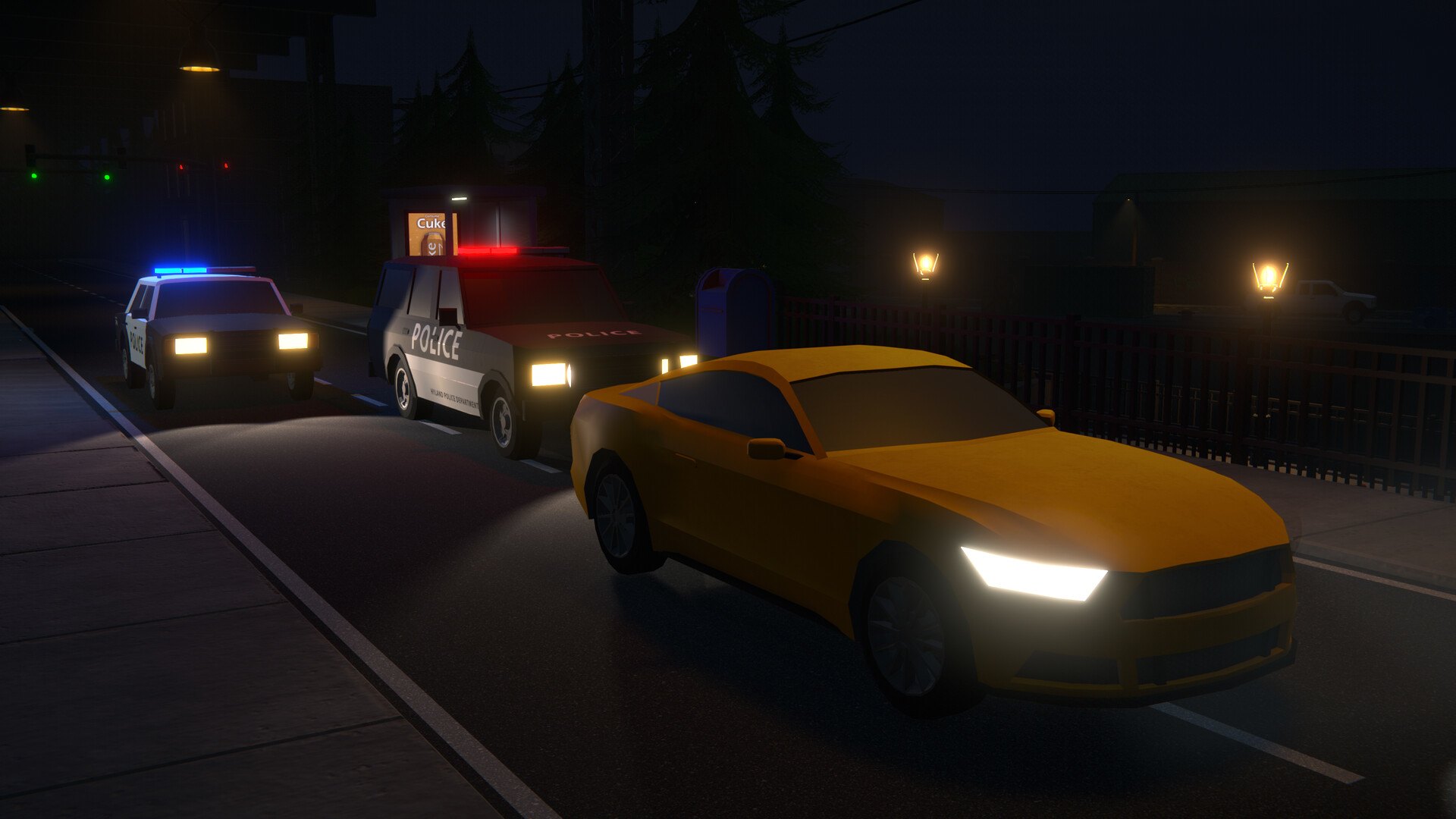
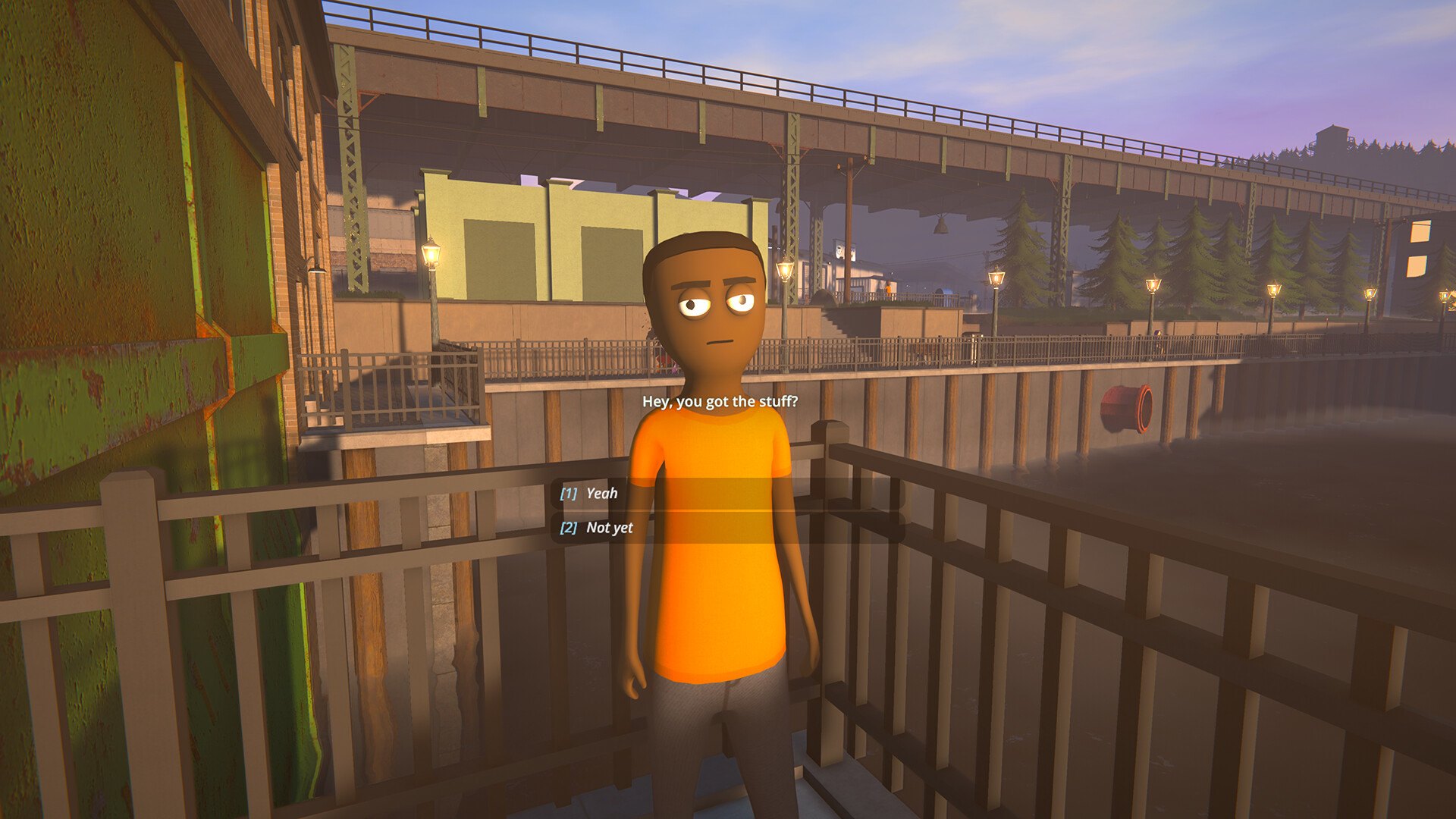
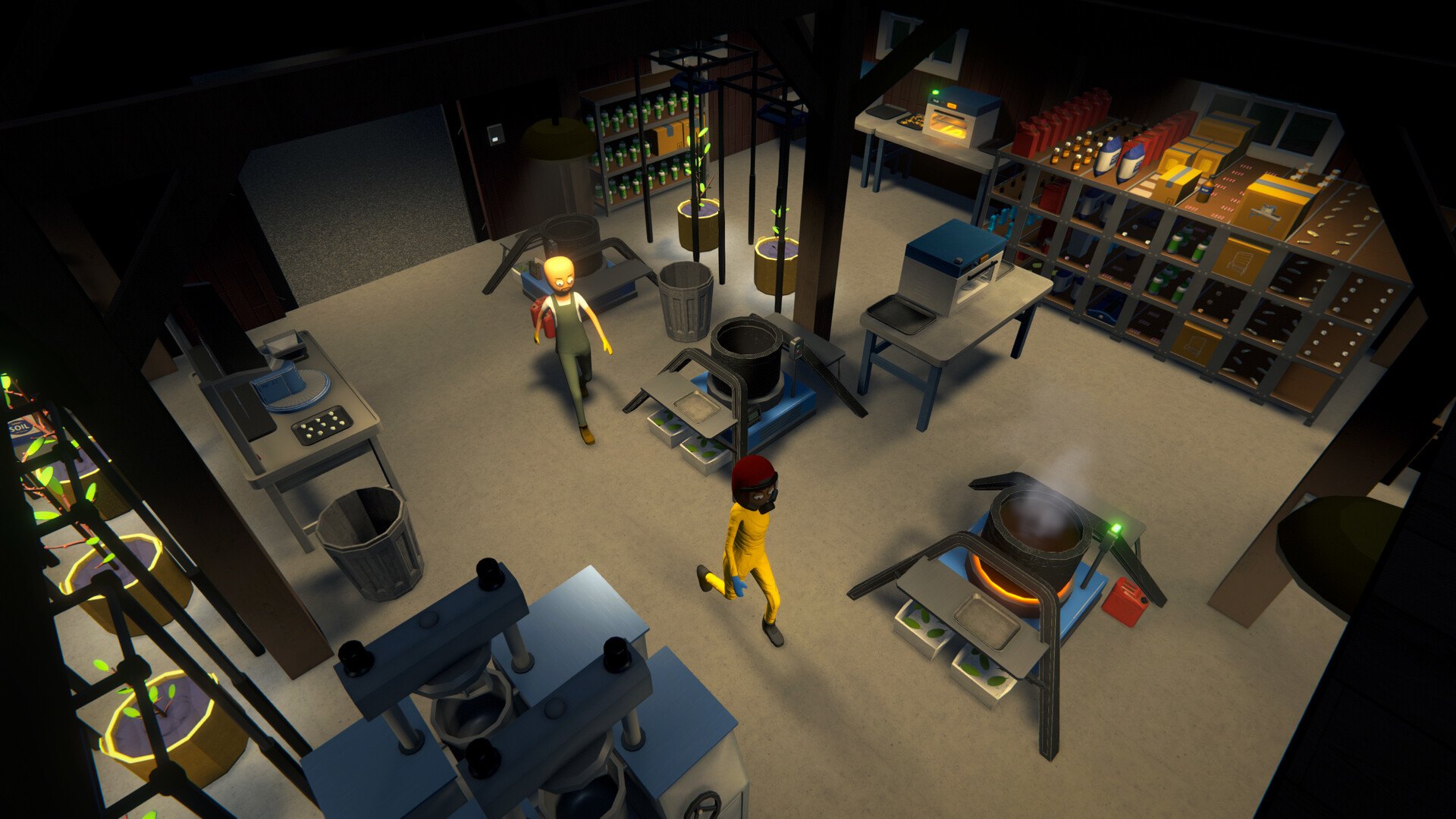
In-Depth Game Analysis
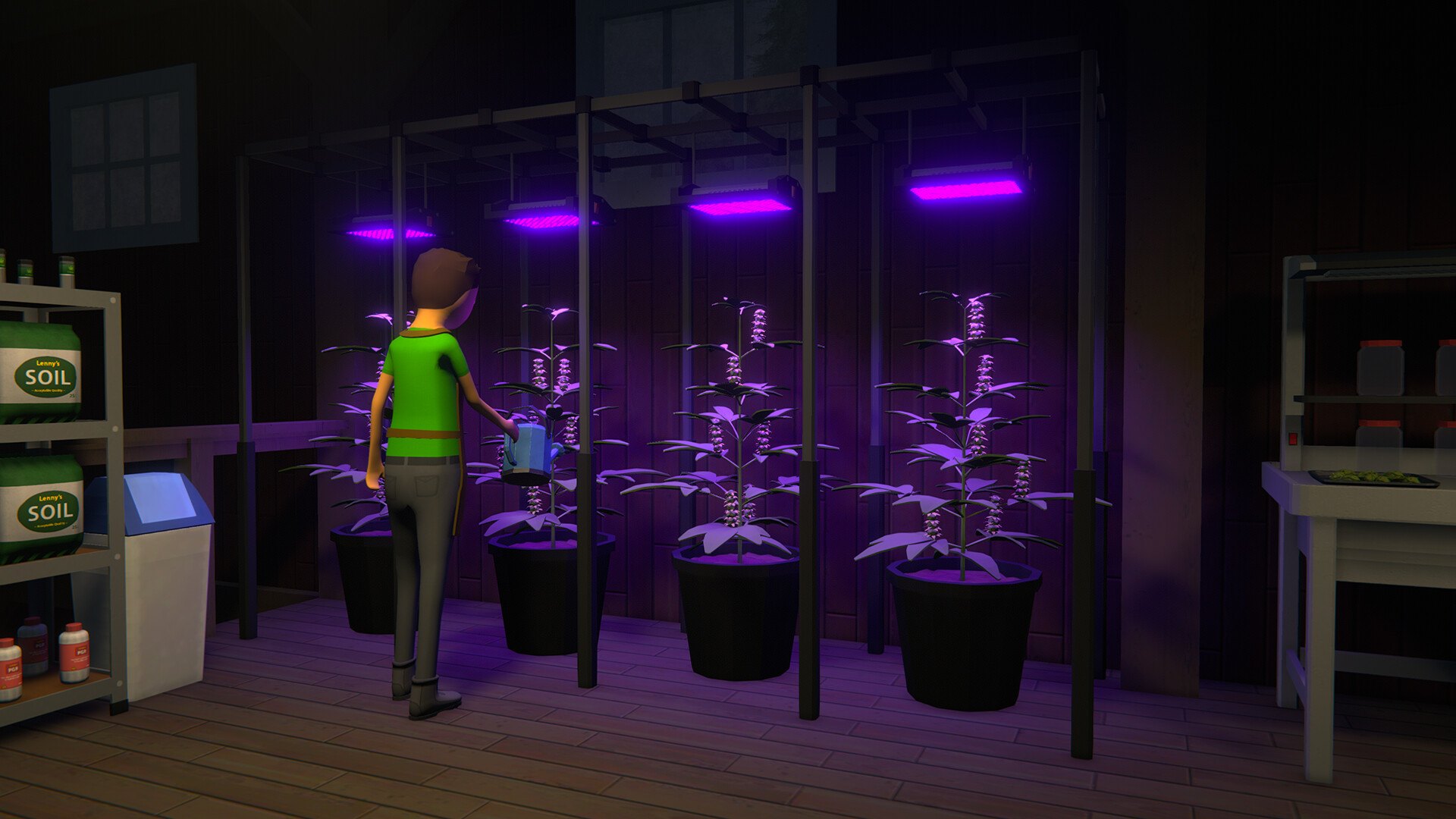
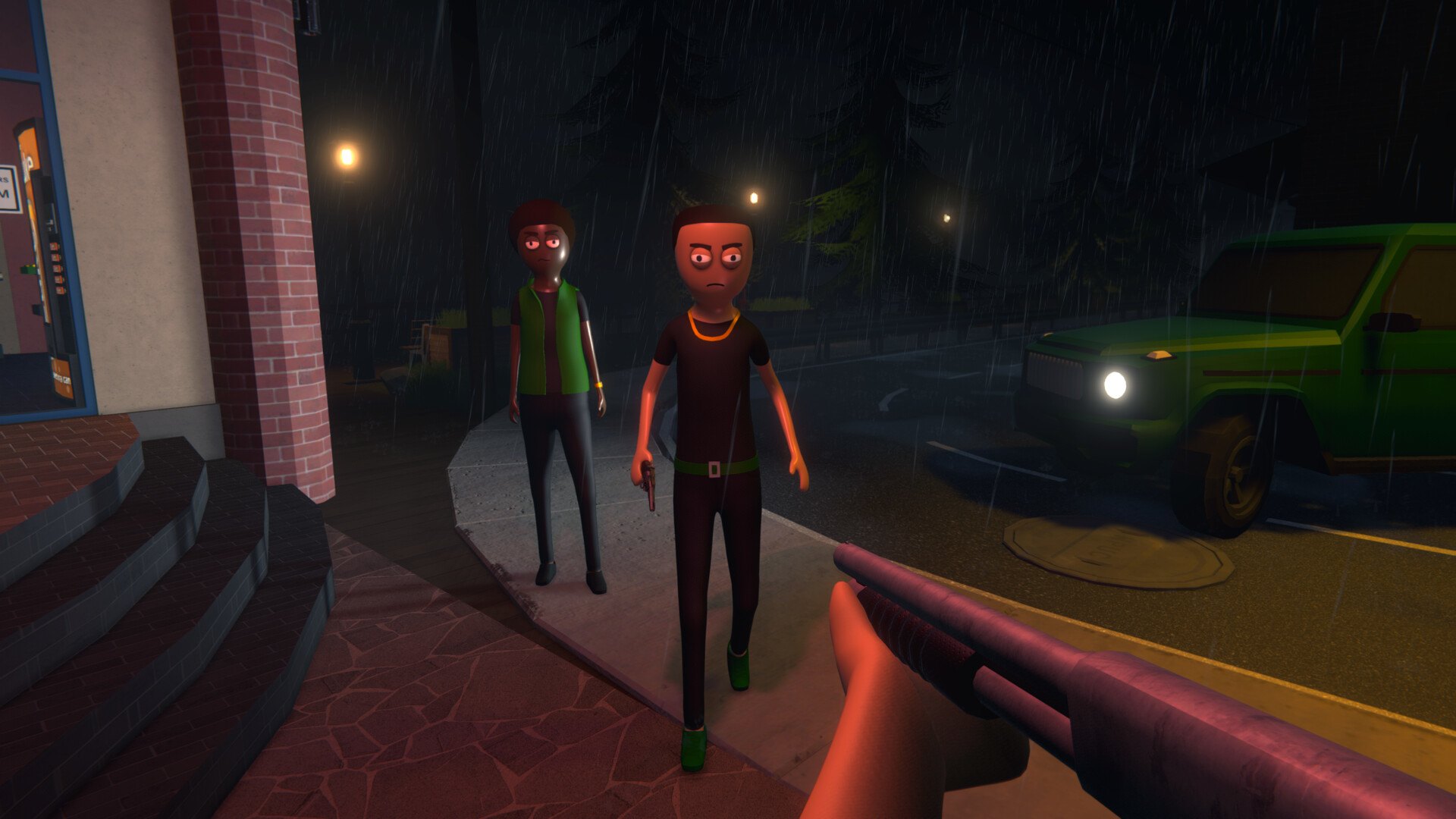
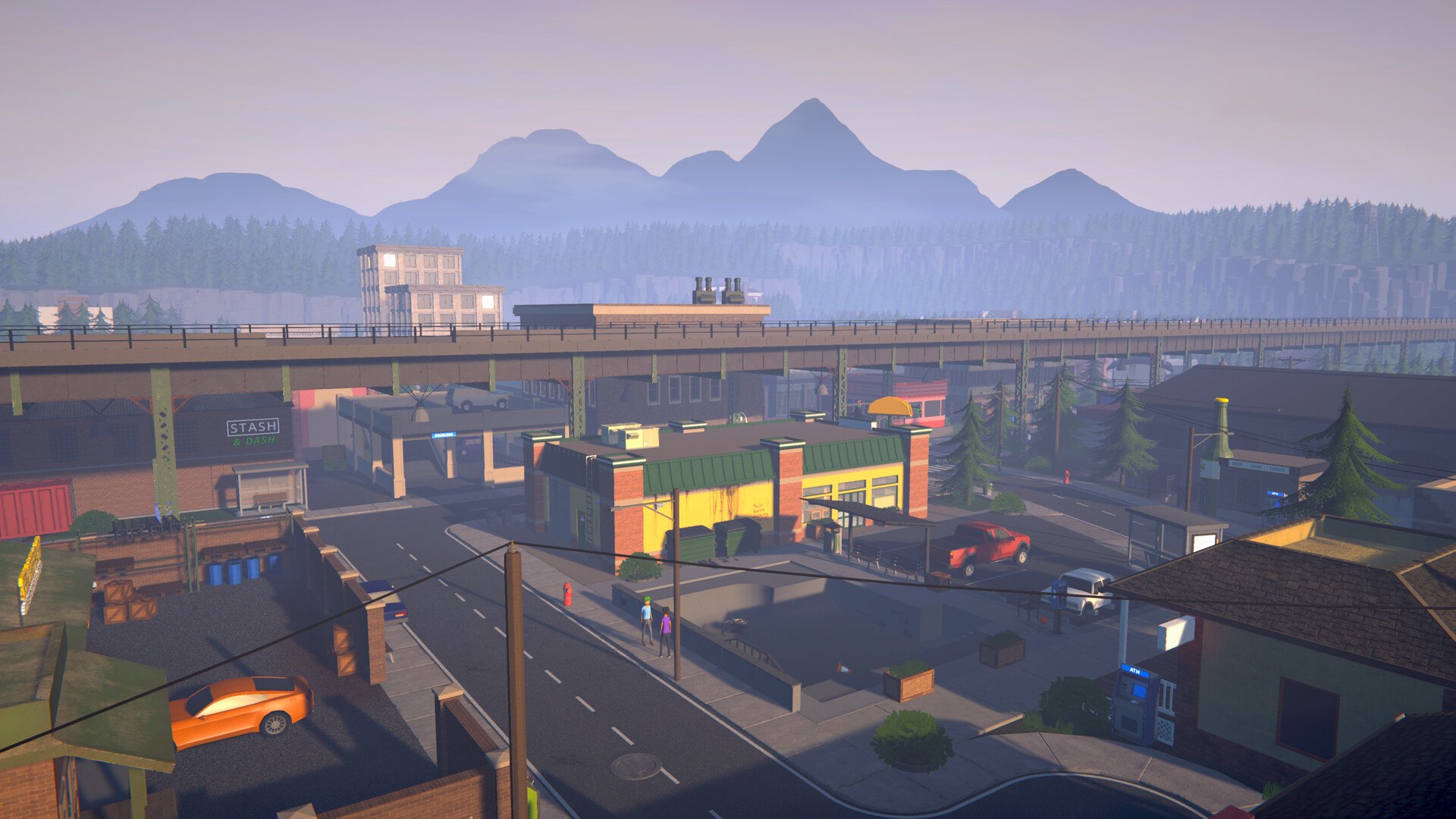
Schedule I is a co-op drug-dealing simulation from indie developer TVGS that drops players into a grimy, open-ended city and hands them the keys to a criminal empire. The core loop is refreshingly direct: cook product, package it, move it through a network of street-level dealers, and reinvest the profits into better equipment, bigger stashes, and new hires. Between those runs you deal with suppliers, dodge law enforcement attention, and manage the messy logistics of keeping shelves stocked. It sits somewhere between a management sim and a first-person hustle game, and that hybrid is exactly what makes it appealing to a wide spread of players-casual gamers who enjoy steady progression, strategy fans who like optimizing supply chains, and groups of friends looking for chaotic co-op sessions. The deliberately rough visual style matches the underground setting well, and the game's steady indie popularity speaks to how well that gritty fantasy lands with players.
From a player's chair, the first hour is mostly figuring out basic movement, buying supplies, and learning how packaging affects price and risk. It does not click instantly; the real satisfaction arrives once you have a small dealer network running and start seeing money come in without your direct involvement. Controls are straightforward and the interface stays readable during busy moments, though new players should expect a learning curve around pricing, product quality, and police attention. The progression system is the star here: each upgrade you buy visibly changes how much you can move and how safely. Co-op elevates everything, since splitting cooking duties and covering different corners of the map turns routine tasks into genuinely funny, tense scrambles. Immersion comes from the small details-the sound of packaging, the dim safehouse, the constant sense of risk. The level design rewards planning routes and knowing when to lay low, and a few smart habits, like keeping a buffer of supplies and rotating dealers, go a long way.
Compared to polished management titles like Drug Dealer Simulator or the more arcade-leaning GTA-style open worlds, Schedule I leans harder into the grind-and-buy rhythm and the co-op chaos. It is not as visually slick as bigger productions, but the progression rewards feel earned, and the monetization stays out of the way rather than demanding constant upgrades. Replayability holds up because each session pushes you toward a slightly different setup, and the community around co-op play keeps the experience lively. What holds it back is content depth in the late game and some rough edges you have to tolerate, but neither ruins a good run. Anyone who enjoys building something from nothing with friends, or who gets a kick out of slow, satisfying optimization, will find plenty to chew on here.
Core Gameplay Features
- Cooking and packaging system 🎮 You gather ingredients, process them into product, and package it for sale, with quality affecting street value and buyer satisfaction. It turns routine crafting into a meaningful economic decision rather than a button press.
- Dealer network management 🎮 Instead of selling everything yourself, you recruit street dealers, assign their territories, and keep them stocked. This shifts the game from hands-on action to light strategy as you watch the map work for you.
- Risk and law enforcement pressure 🎮 Police attention rises as your operation grows, forcing you to balance expansion with discretion. Choosing when to lay low or pause production adds a constant undercurrent of tension.
- Co-op multiplayer integration 🎮 Friends can share the workload, splitting cooking, transport, and dealing duties. The division of labor makes the whole loop smoother and turns ordinary tasks into shared chaos.
Strengths & Highlights
- Satisfying upgrade loop 👍 Every purchase visibly improves output, making progress feel earned.
- Great co-op energy 👍 Working a safehouse with friends is chaotic, funny, and genuinely cooperative.
- Gritty atmosphere 👍 The lo-fi presentation reinforces the underground setting.
Limitations to Consider
- Late-game content thinness 🔧 Progression starts to plateau once the network is fully built out.
- Rough technical polish 🔧 Expect occasional jank that can interrupt otherwise smooth sessions.
- Steep early learning curve 🔧 Pricing and risk systems need clearer onboarding for new players.
Recommended Apps
![]()
456 Run Challenge: Clash 3D
Amobear Studio4.6

![]()
Freaky Stan Interactive Story
HYPERCELL4.3![]()
Soccer Cup 2023: Football Game
INLOGIC SPORTS - football tennis golf soccer4.1![]()
Frontline Heroes: WW2 Warfare
Homa4.4![]()
Kpop Games Demon Hunter
Rampage Studios4.2![]()
ZooTone: Animal Voice Fun
JUP Game Studio4.5![]()
Amazing Circus Pixel Coloring
ValentinaDev4.5![]()
YoYa Time: Build, Share & Play
YoYa World4![]()
Smashero.io - Hack n slash RPG
KLASH Games Inc.4.7![]()
IQ Test: Logic Brain Training
TrasCo Studios4.5![]()
Seekers Notes: Hidden Objects
Mytona4.3![]()
Schedule I
TVGS0![]()
Idol Prank Video Call & Chat
FG Game Studios4.7![]()
Papa's Pancakeria To Go!
Flipline Studios4.6![]()
Water Match™- ASMR Water Sort
TAP GAMES4.8












You May Like
-
![]()
Chapters: Interactive Stories
Crazy Maple Studio Dev4.4 -
![]()
Farming Simulator 20
GIANTS Software3.7 -
![]()
Hide in The Backrooms: Horror
CASUAL AZUR GAMES3.8 -
![]()
Dig Deep
CrazyLabs LTD4.6 -
![]()
Capybara.io: Battle Survivor
HIGAME LTD.4.7 -
![]()
My Supermarket Simulator 3D®
Game District LLC3.9 -
![]()
MiniGiants.io
Night Steed S.C.4.4 -
![]()
Geometry Dash SubZero
RobTop Games4.5 -
![]()
Cubes 2048.io
CrazyGames.com3.3 -
![]()
Talking Tom Hero Dash
Outfit7 Limited4.3 -
![]()
Plants vs. Zombies™ 2
ELECTRONIC ARTS4.2 -
![]()
Floor Plan: Slap Out Of It!
Turbo Button0 -
![]()
DriveCSX Car Crash Simulator
Studio WW Games4.2 -
![]()
Arknights
Yostar Limited.4.5 -
![]()
YoYa Time: Build, Share & Play
YoYa World4