
Planet Zoo 2
Frontier Developments
Installs
293K+
Developer
Frontier Developments
-
Category
Strategy
-
Content Rating
14
Developer Email
Privacy Policy
https://www.frontier.co.uk/legal/privacy-policy
Screenshots
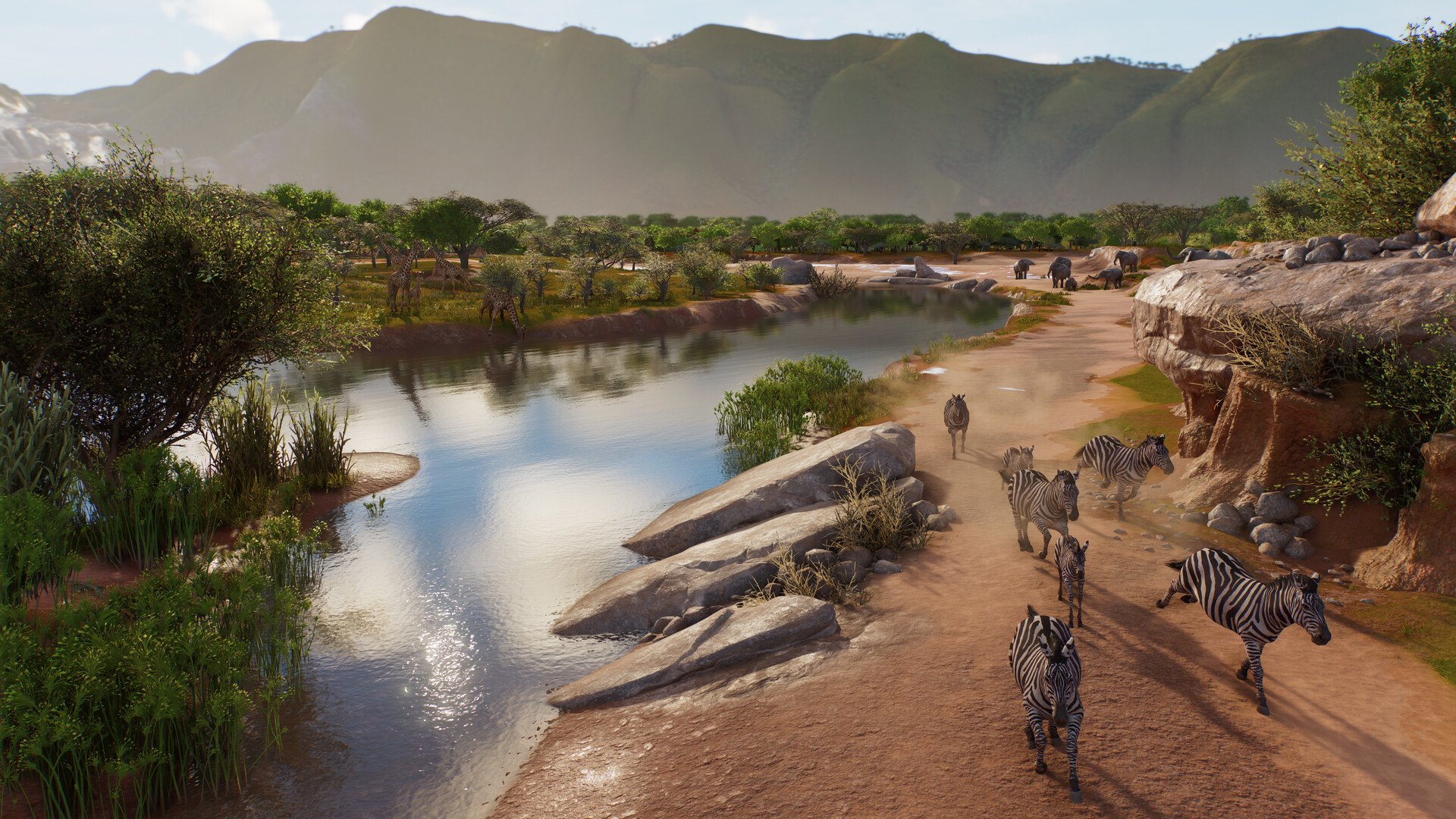
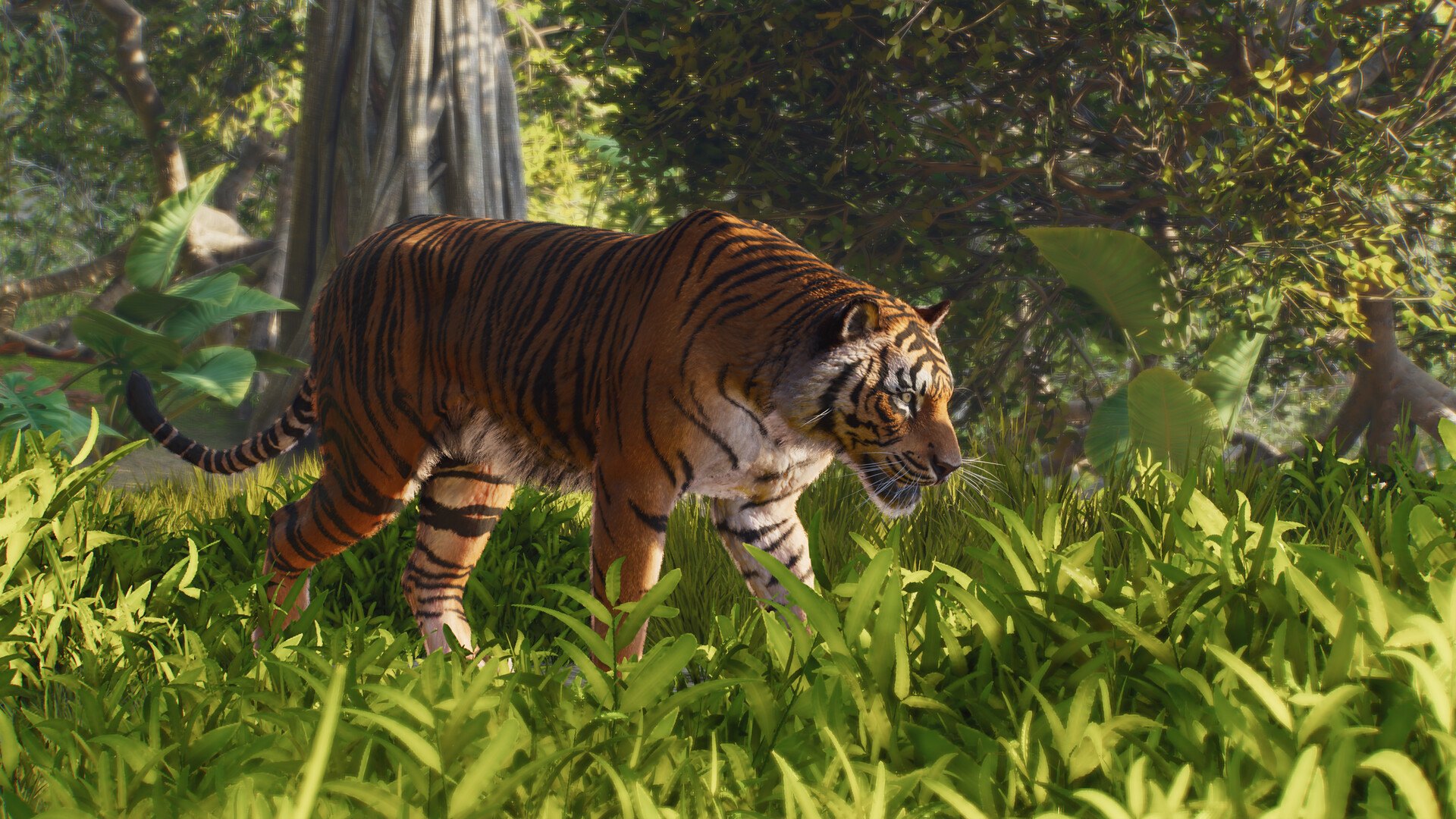
In-Depth Game Analysis
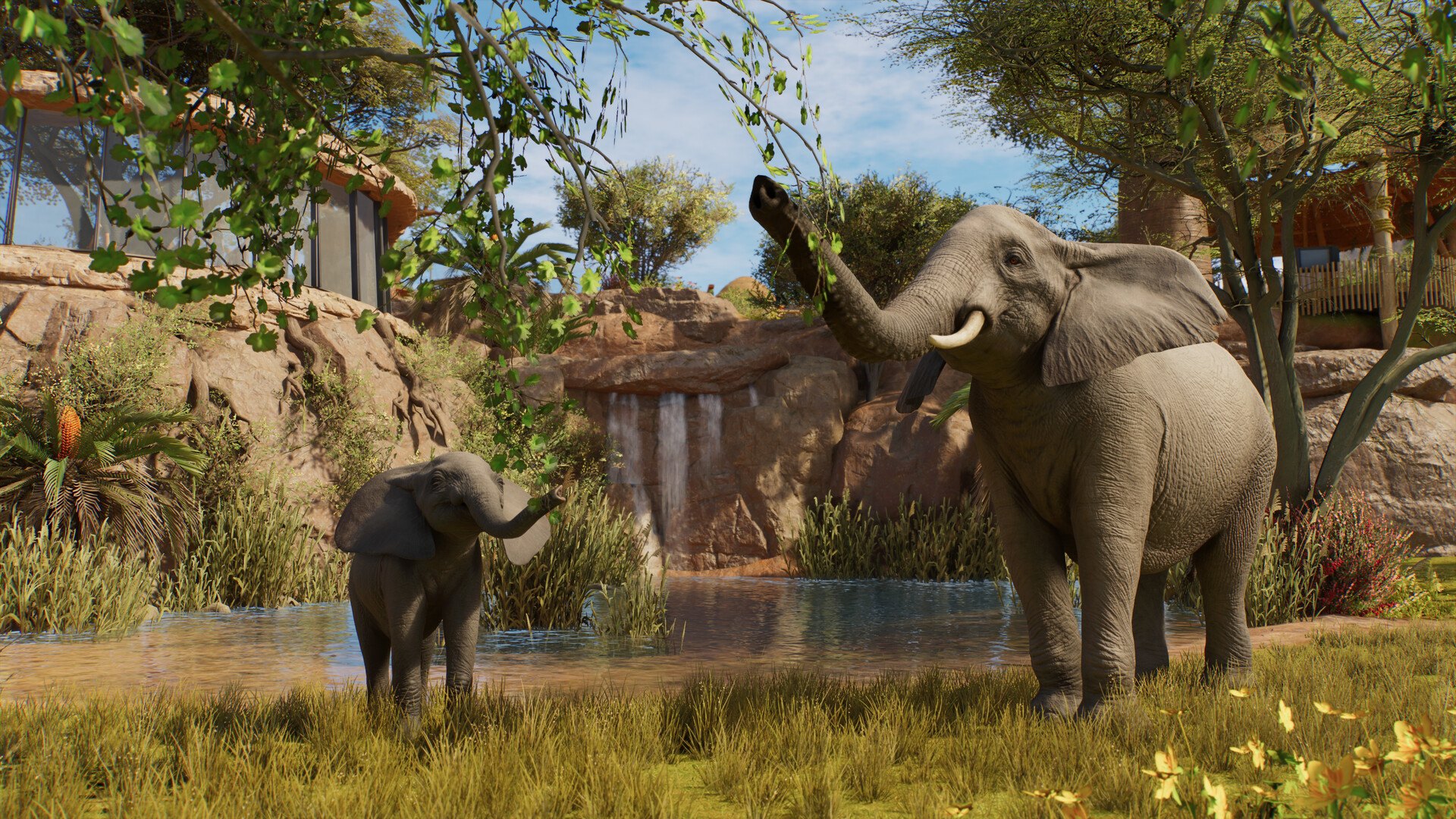
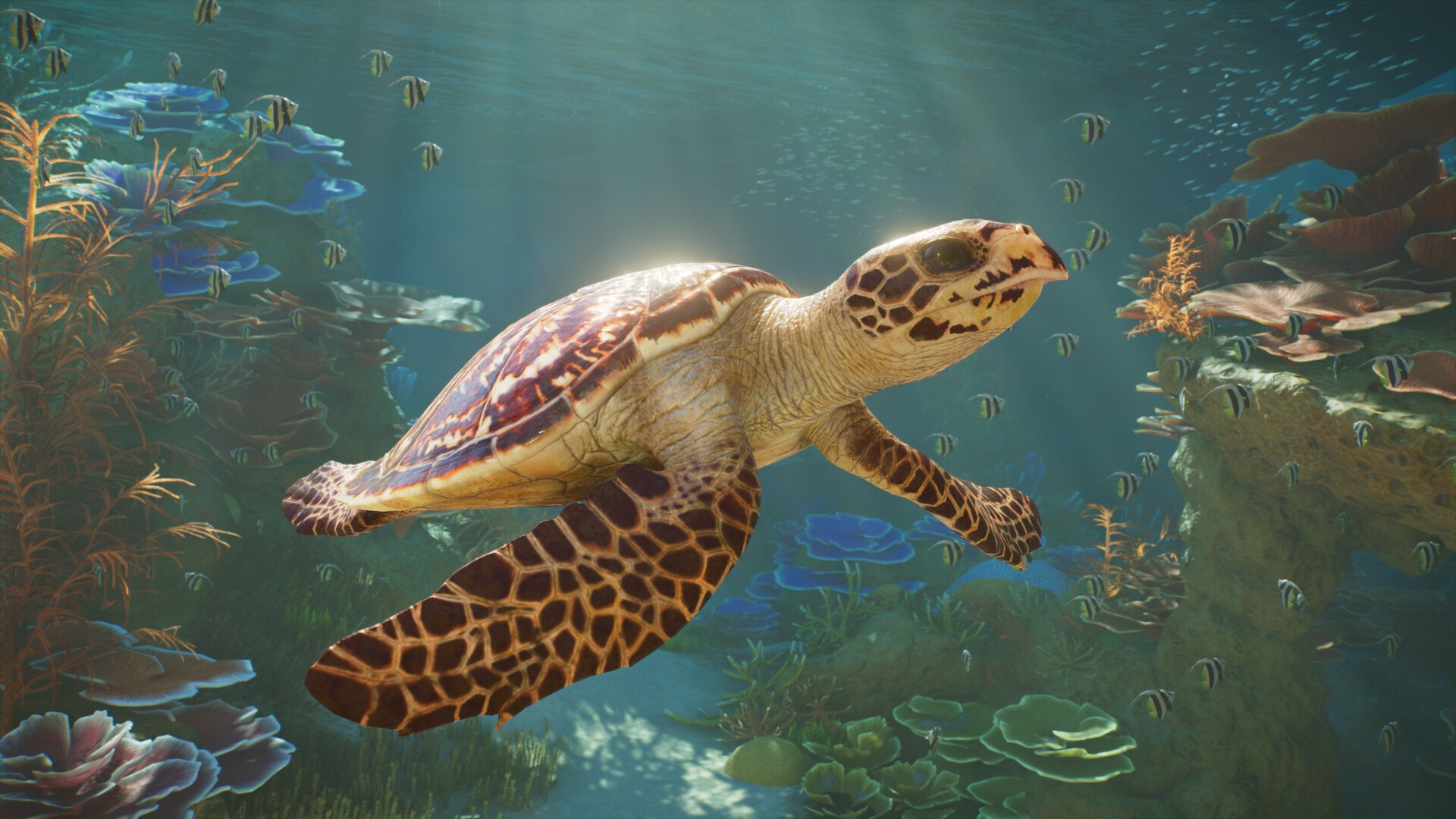
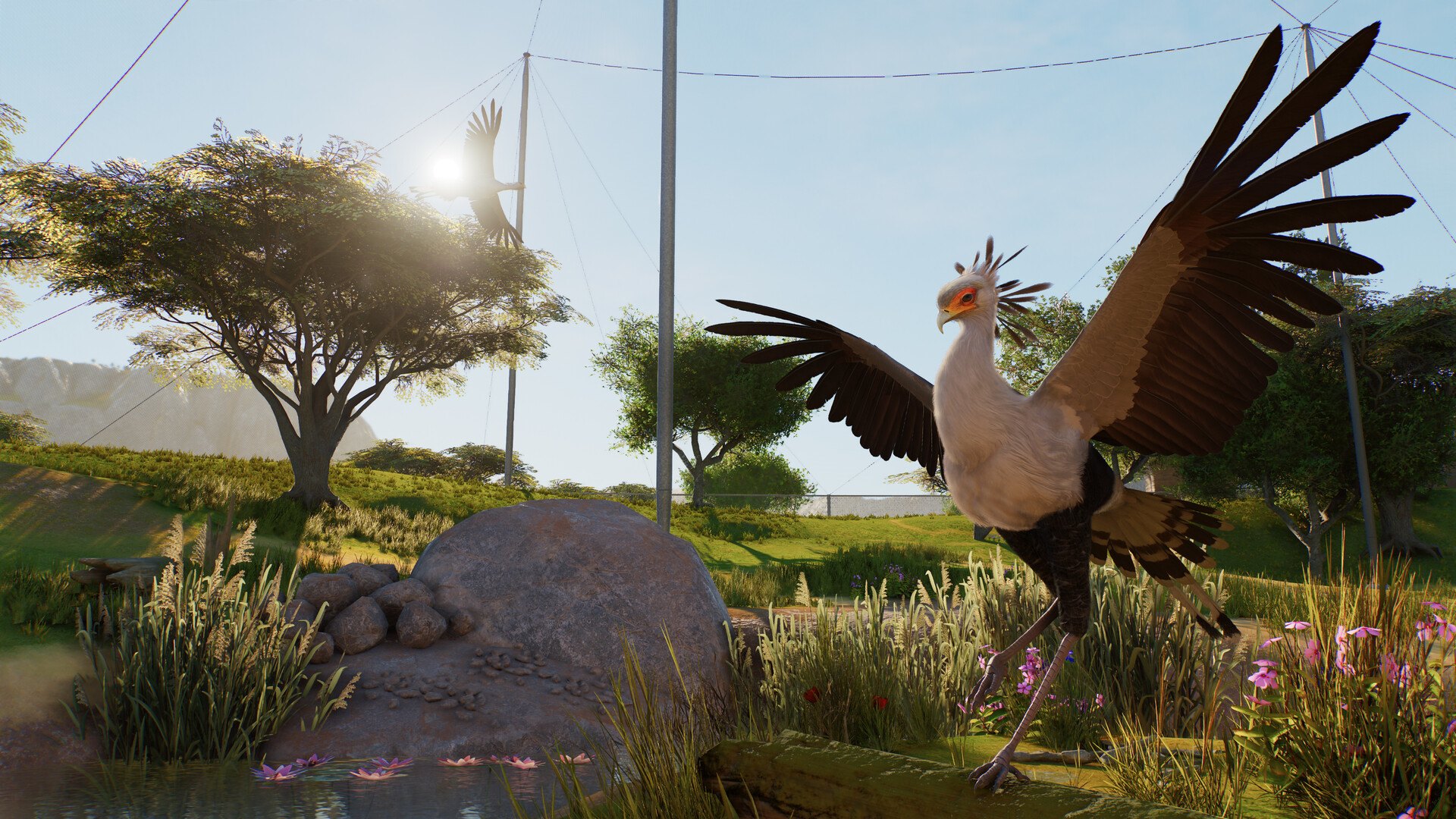
Planet Zoo 2 is Frontier Developments' follow-up to a management sim that already set a high bar for animal welfare, habitat design, and park logistics. The core loop remains familiar in the best way: scout species, build habitats that match their needs, hire and train staff, manage finances, and watch guests flood through the gates. It is a sim for people who enjoy spreadsheets as much as scenery, but it also welcomes casual builders who just want an attractive zoo. What stands out from the available information is the continued emphasis on believable animal behavior and flexible construction tools, which positions the game alongside management heavyweights like Two Point Museum and Parkitect rather than the more arcade-leaning zoo titles of the past.
From a player's perspective, Planet Zoo 2 is not a pick-up-and-play experience. The first hour is mostly tutorials and small exhibits, and the learning curve steepens once breeding programs, staff workloads, and guest happiness start interacting. That said, the controls feel deliberate rather than fussy, and the new building tools lower the barrier for players who want detailed habitats without wrestling with every piece. The franchise and career modes give structure, while sandbox lets you ignore the budget entirely. Performance is the main variable to watch, since large parks with many animals and guests have historically stressed mid-range hardware. A useful habit is to pause the simulation while laying out paths and barriers, then unpause to check guest flow. Immersion comes from small things: animals reacting to terrain, keepers moving between tasks, and visitors commenting on what they see.
Compared with its predecessor and with Zoo Tycoon-style games, Planet Zoo 2 leans harder into simulation depth than spectacle. Progression in career mode unlocks species and research gradually, which keeps early parks focused instead of overwhelming. Monetization appears limited to cosmetic and expansion content rather than gameplay gates, which is a relief in a genre that sometimes sells convenience. Replayability is strong because each biome and species mix changes the puzzle, and community sharing of blueprints extends the lifespan considerably. It will not convert players who dislike management menus, but for anyone who enjoys tinkering with layouts and watching systems click into place, it is an easy recommendation.
Core Gameplay Features
- Habitat construction with terrain and enrichment 🎮 You shape ground, water, shelters, and climbing structures to match each species' requirements, and the welfare meter responds in real time, so a good build feels earned rather than cosmetic.
- Animal welfare and breeding management 🎮 Genetics, social grouping, and enrichment needs feed into breeding decisions, giving long-term players a reason to track bloodlines and trade animals rather than simply buying new ones.
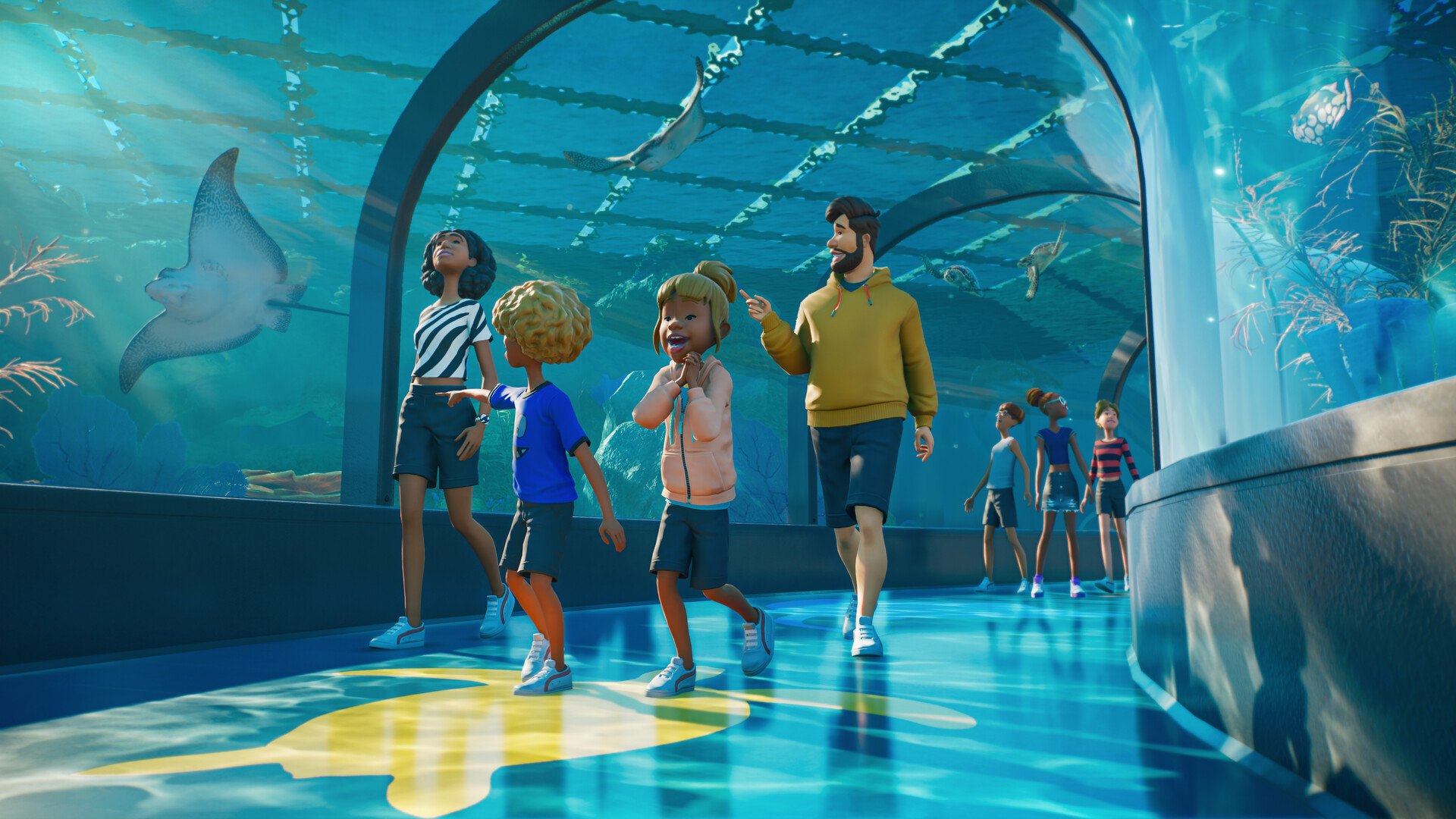
- Staff and guest simulation 🎮 Keepers, vets, and maintenance crews have their own workloads and training paths, while guest needs shift with park layout, which turns path design into a genuine management decision.
- Franchise and sandbox modes 🎮 Franchise ties parks together through shared conservation credits, while sandbox removes the budget and lets builders focus purely on creativity and testing layouts.
Strengths & Highlights
- Detailed habitat tools 👍 Placing terrain and enrichment feels intuitive and rewards careful design.
- Believable animal behavior 👍 Watching species interact with their spaces makes management feel meaningful.
- Flexible modes 👍 Career, franchise, and sandbox each serve a different play style without feeling tacked on.
Limitations to Consider
- Steep early learning curve 🔧 New players may feel buried in menus before their first successful habitat.
- Performance on large parks 🔧 Dense zoos can strain frame rates, so hardware expectations matter.
- Repetitive staff micro-management 🔧 Training and reassigning employees can become tedious during long sessions.
Recommended Apps
![]()
Tsunami Escape For Memerot
Game Castle (smc) Private Limited0
![]()
Dig Deep
CrazyLabs LTD4.6
![]()
Five Nights at Freddy's 2
Clickteam USA LLC4.6![]()
PUBG MOBILE
Level Infinite4.3![]()
Smashero.io - Hack n slash RPG
KLASH Games Inc.4.7![]()
Cooking Crush - Cooking Game
FlowMotion Entertainment4.7![]()
Jigsolitaire
Gamincat4.7![]()
Bus Simulator Indonesia
Maleo4.3![]()
KPop Demon Hunter Wallpaper
Highlights Devloper0![]()
Planet Zoo 2
Frontier Developments0![]()
Crazy Taxi Driver Game
Pentabit Games0![]()
Last War:Survival Game
FUNFLY PTE. LTD.4.7![]()
Mobile Legends: Adventure
Moonton4.6![]()
Pixel Number Cute Coloring
NEXCOSMO4.7![]()
MECCHA CHAMELEON
PlayLand Studio0








You May Like
-
![]()
Jurassic World™: The Game
Jam City, Inc.4.1 -
![]()
Princess Town Hospital World
Princess Town4.1 -
![]()
Fashion Queen: Dress Up Game
CASUAL AZUR GAMES4.6 -
![]()
Cupid Run : Love Girl
Sunflare0 -
![]()
Steal a Brainrot
Simple Outside Dev2.5 -
![]()
Dress Up 3D
New Story Lab0 -
![]()
Hay Day
Supercell4.4 -
![]()
Sculpt People
CrazyLabs LTD4.4 -
![]()
Arknights
Yostar Limited.4.5 -
![]()
Flipping is Hard
Elegant Horse Studios0 -
![]()
Save the Doge
WONDER GROUP4.2 -
![]()
Dude Theft Wars FPS Open world
Poxel Studios Games4.3 -
![]()
Survivalcraft
Candy Rufus Games4.3 -
![]()
Chibi Sprint
PixelSeed4.3 -
![]()
Kpop Idol Doll: Dress Up Diary
Craft and Battle4.5