MECCHA CHAMELEON
PlayLand Studio
Installs
Developer
PlayLand Studio
-
Category
Sports
-
Content Rating
Teen
Developer Email
Privacy Policy
https://sites.google.com/view/playlandstudios/home
Screenshots
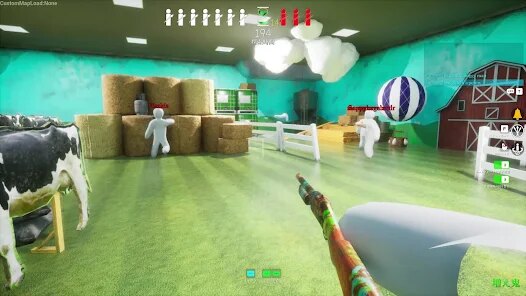
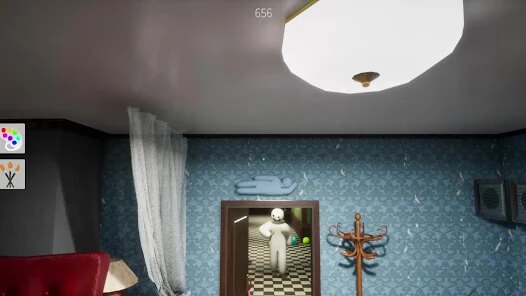
In-Depth Game Analysis
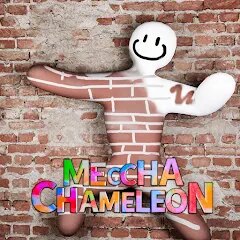
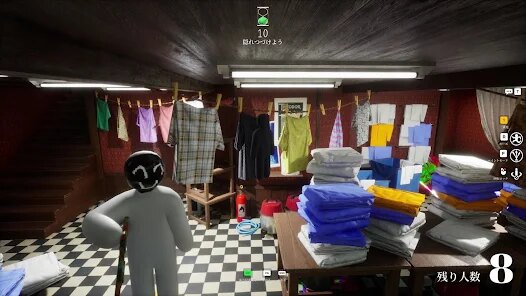
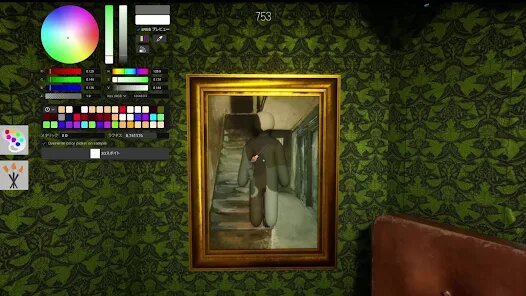
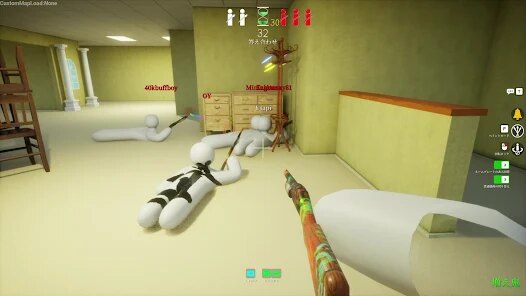
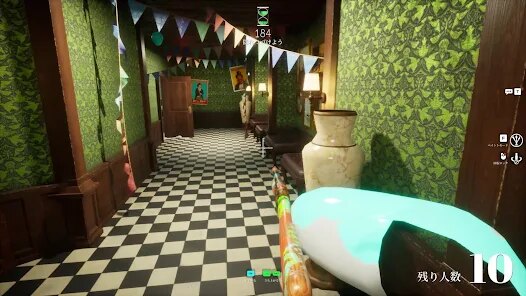
MECCHA CHAMELEON is a fast-paced multiplayer party game that drops you into chaotic arena battles where you play as a chameleon with the ability to change colors and blend into your surroundings. At its core, it's a competitive PvP brawler that blends stealth, strategy, and twitch reflexes into matches that last just a few minutes. The genre sits somewhere between the frantic energy of games like Fall Guys and the skill-based deception of titles like Among Us, but with a distinct twist: your camouflage abilities aren't just cosmetic — they directly affect your survival and scoring. This game is tailor-made for casual gamers and party groups who love short, replayable sessions, but it also scratches an itch for competitive players who enjoy outsmarting opponents rather than just out-gunning them. What first caught my attention was the vibrant, almost cartoonish art style in the promotional materials, where the chameleons looked more like quirky little mascots than lethal predators. The trailers emphasized high-speed chases and zany power-ups, and I saw enough social buzz from streamers hyping up the "invisible ambush" mechanic to give it a shot.
Diving in, my first few matches were a delightful mess of confusion and laughter. The learning curve is gentle — you can figure out the controls in under a minute — but mastering the timing of your color change and knowing when to strike takes real practice. The controls are responsive and smooth, with no noticeable lag even in chaotic 8-player lobbies. What really stood out to me was a moment in my third match where I managed to blend perfectly into a green wall, waiting as an enemy player ran right past me. I popped out, stole their collected fruit, and dashed to the scoring zone just as the timer hit zero. That rush of a perfectly executed ambush hooked me instantly. The level design varies between tight indoor arenas with moving obstacles and open outdoor maps with grass patches that double as hiding spots. The UI is clean but could use better tutorial pop-ups for newbies, as some power-ups — like the one that forces all players to shift colors — aren't explained clearly. I also turned on the "colorblind assist" mode in the settings, which overlays textures on top of colors, and it made the whole experience much more accessible and less frustrating for me.
Having played dozens of party games over the years, from the simplistic chaos of Gang Beasts to the tactical depth of SpyParty, I kept coming back to MECCHA CHAMELEON because it nails that sweet spot between accessibility and skill expression. What it does better than most is how it rewards both aggressive and patient playstyles equally. You can win by charging in and snatching items, or by playing the long game, staying hidden, and striking only when the odds are in your favor. The progression system feels fair, with cosmetic unlocks tied to challenges rather than a pay-to-win loot box grind, which is refreshing. The community is still small but surprisingly friendly, with most players opting for silly taunts over toxic behavior. However, the game might not stand out in a crowded market if you're someone who needs deep lore or a single-player campaign. It's laser-focused on multiplayer chaos, and that simplicity is both its strength and its limit. For what it is, though, it's a blast, and I'd recommend it to anyone looking for a quick, unpredictable party game with friends.
Core Gameplay Features
- Color Camouflage 🦎: You can change your chameleon's color to match nearby surfaces, becoming nearly invisible to enemies. This isn't just a gimmick — it's the core of every encounter, letting you set up ambushes or escape clutches. You have to actively hold the color button to stay matched, so there's a risk-reward balance between staying hidden and moving fast.
- Fruit Scoring System 🍓: Each match tasks you with collecting and depositing fruits into your team's basket or personal stash. The twist is that carrying fruit makes you move slower and more visible, so you have to decide when to dash for points and when to hide. This creates tense standoffs near scoring zones where one wrong move can lose you everything.
- Power-Up Disasters 💥: Random power-ups spawn on the map, from speed boosts and smoke bombs to wild cards that force everyone to swap positions or invert their controls for a few seconds. These add unpredictable chaos that can flip a match in seconds. My favorite is the "color scramble," which randomly reassigns each player's color, making everyone vulnerable until they adapt.
Strengths & Highlights
- Ambush Satisfaction 🎯: There's nothing quite like the feeling of perfectly timing your camouflage and surprising an enemy who had no idea you were there. The game gives you a short slow-motion effect on a successful ambush, which makes you feel like a predator. Every successful trick shot or fake-out sends a rush of dopamine that keeps me coming back for "just one more round."
- Balanced Skill Ceiling ⚖️: New players can have fun by just running around and accidentally blending in, but veterans can dominate by learning map layouts, predicting power-up spawns, and mastering the split-second timing of color switches. This balance means I never feel like I'm stomping total newbies or getting crushed by pros, and the matchmaking system does a decent job of grouping similar skill levels together.
- Social Chaos Potential 🎉: The game really shines when you're playing with friends in a voice call. Watching each other panic, scream when caught off guard, or celebrate a last-second win adds a layer of shared joy that single-player experiences can't replicate. The built-in emote system is simple but effective for taunting or celebrating without needing a mic, which keeps things light and fun.
Limitations to Consider
- Limited Map Variety 🗺️: After about 10 hours of play, I started noticing the same handful of arenas cycling through over and over. While the layouts are well-designed, the lack of variety makes matches feel repetitive faster than they should. Adding more dynamic elements like destructible walls or weather shifts could freshen things up significantly.
- Tutorial Gaps 📖: The game teaches you the absolute basics — how to move and change color — but leaves you to figure out complex power-ups and advanced strategies on your own. I had to search online to learn that you can "fake" a color change by quickly tapping instead of holding it, which is a crucial trick. A short video tutorial or interactive guide would make onboarding smoother.
- Performance on Older Hardware 💻: While the game runs well on modern systems, I tested it on an older laptop and noticed significant frame drops during matches with 8 players and lots of power-ups active. The graphics options are minimal, so there's no easy way to dial down settings for lower-end machines. This limits the audience for an otherwise great party game.
Recommended Apps
![]()
Space shooter - Galaxy attack
1SOFT4.8

![]()
Zenless Zone Zero - Anniv.
COGNOSPHERE PTE. LTD.3.7![]()
Vortella's Dress Up
Devortel4![]()
Spider Fighter 3: Action Game
Starplay DMCC4.6![]()
KPop Demon Hunters Wallpapers
Bada Labs4.7![]()
Mini Challenges: Calm Games
UltraPub4.8![]()
AFK Arena
LilithGames4.6![]()
Halloween: Secret of Shadow
HFG Entertainments4.5![]()
Ragdoll Playground
Reggae True Love3.7![]()
Poopy Playtime: Chapter 5
AAIMSS STEEL CANADA INC.0![]()
Hapunan Horror Game
2002 Studio4.3![]()
Street Racing 3D
Ivy4.5![]()
Water Sort Puzzle - Sort Color
Guru Puzzle Game4.9![]()
Bmw Car Simulator Game 2024
Car Simulator Game 20253.8![]()
Frost World
Estoty4











You May Like
-
![]()
My Supermarket Simulator 3D®
Game District LLC3.9 -
![]()
Puzzles & Survival
37GAMES4.5 -
![]()
Pokémon GO
Niantic, Inc.3.9 -
![]()
EA SPORTS FC Soccer Mobile 26
ELECTRONIC ARTS4.5 -
![]()
Fridge Horror Game
Honor apps4.5 -
![]()
Story Match
LinkDesks Daily Puzzle4.9 -
![]()
Farming Simulator 23 Mobile
GIANTS Software4.3 -
![]()
Smashero.io - Hack n slash RPG
KLASH Games Inc.4.7 -
![]()
Dream League Soccer 2026
First Touch Games Ltd.4.4 -
![]()
Idle Zombie Miner: Gold Tycoon
Royal Ark4.1 -
![]()
Kitty Sort: Twisted Tails
Smart Project GMBH4.6 -
![]()
Mario Kart Tour
Nintendo Co., Ltd.4.3 -
![]()
My Perfect Hotel
SayGames Ltd4.5 -
![]()
DriveCSX Car Crash Simulator
Studio WW Games4.2 -
![]()
Love Tester - Find Real Love
Famobi4