
Meccha Chameleon
PlayLand Studio
Installs
Developer
PlayLand Studio
-
Category
Puzzle
-
Content Rating
Teen
Developer Email
Privacy Policy
https://sites.google.com/view/playlandstudios/home
Screenshots
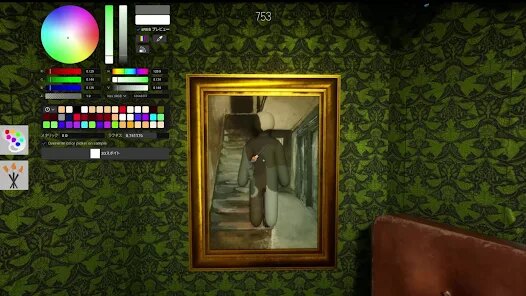
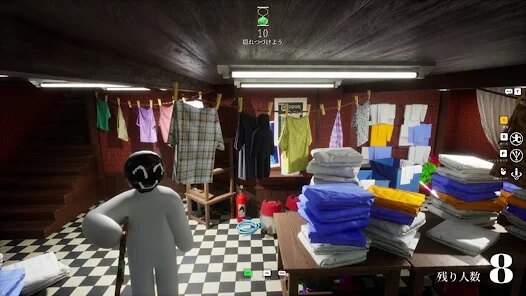
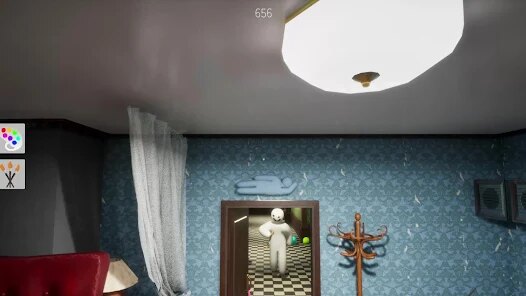
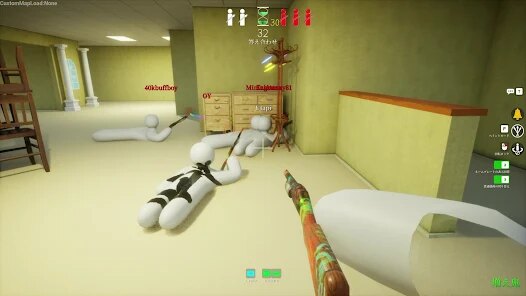
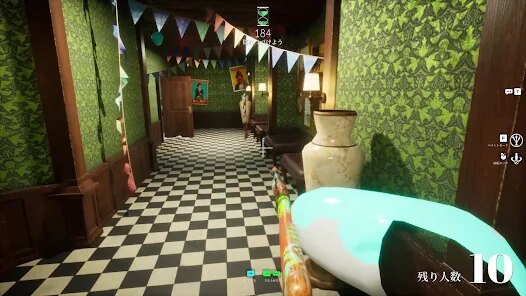
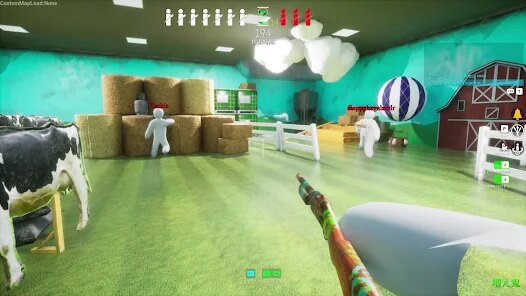
In-Depth Game Analysis
Meccha Chameleon is a vibrant, fast-paced action-platformer that blends stealth, combat, and parkour into a unique single-player experience. Developed by PlayLand Studio, this game casts you as a shapeshifting chameleon on a mission to restore balance to a chaotic world by absorbing the abilities of various creatures. The core gameplay loop revolves around exploring colorful, interconnected levels, sneaking past or battling enemies, and using your acquired powers—like invisibility, wall-climbing, or projectile attacks—to overcome obstacles and bosses. It squarely fits into the metroidvania genre but with a lighter, more arcade-like feel that makes it accessible to casual gamers who enjoy exploration, while still offering enough depth for platforming purists and fans of tactical action. I first noticed Meccha Chameleon through a viral trailer that showcased its fluid animation and eye-catching art style, which reminded me of classic 16-bit titles but with a modern sheen. The social buzz around its unique mechanic—where you literally “becoming” the abilities you steal—piqued my interest, and I dove in expecting a fun, but perhaps shallow, experience. Instead, I found a game that demands both quick reflexes and thoughtful strategy.
Jumping into the game, I was immediately struck by how intuitive the controls felt. The chameleon moves with a satisfying weight, and the ability to stick to walls and ceilings is implemented so smoothly that it becomes second nature within minutes. The learning curve is gentle but rewarding—early levels teach you basic stealth and combat, but the difficulty ramps up cleverly as you encounter enemies that require specific powers to defeat. One moment that truly stood out was during a mid-game chase sequence where I had to switch between three abilities mid-air—turning transparent to avoid a laser grid, then morphing into a heavy form to smash a barrier, and finally clinging to a ceiling to escape a pursuing boss. This sequence felt like a perfect dance of timing and adaptation, and it's where the game's design clicked for me. The world is divided into themed biomes—like neon-lit labs and overgrown ruins—with distinct visual flair, and the UI is clean, showing your current powers and health without cluttering the screen. Performance was rock solid on my mid-range PC, with a steady 60fps and no noticeable stutters. I found that exploring every hidden nook often rewarded me with upgrade tokens, which made back-tracking feel meaningful rather than tedious.
As someone who has played countless metroidvanias, from Hollow Knight to Ori and the Blind Forest, I stuck with Meccha Chameleon because it carves out its own niche by prioritizing playfulness over punishing difficulty. What sets it apart is how it uses your ability-stealing mechanic not just as a gimmick but as a core puzzle-solving tool. Unlike many games where abilities are just keys to locked doors, here they change how you engage with enemies and the environment in real-time. For example, you can use a slow-motion power to dodge attacks, then switch to a dash ability to close the gap instantly—it's this dynamic flow that kept me coming back. The game also shies away from pay-to-win elements; there are no microtransactions or grinding loops, just pure skill-based progression. What really worked for me was the sense of freedom—levels are designed with multiple paths, encouraging experimentation. That said, it might not satisfy players who crave deep narrative or complex boss patterns, as the story is light and the difficulty is tuned more for fun than frustration. Overall, Meccha Chameleon is a standout in its category for its tight controls, joyful gameplay loop, and creative use of character mechanics.
Core Gameplay Features
- Shapeshifting Abilities 🦎: You can absorb powers from defeated enemies or environmental sources, each tied to a specific form. For instance, the "Spitter" form lets you shoot projectiles, while the "Hider" form renders you invisible. Switching between them is instant and fluid, allowing for creative combat and traversal solutions that feel empowering rather than clunky.
- Dynamic Wall-Climbing System 🧗: Unlike many platformers where wall-climbing is scripted, Meccha Chameleon lets you freely stick to any surface—walls, ceilings, or even moving platforms. This adds a vertical layer to exploration, and you can chain jumps and climbs to traverse levels without touching the ground, which feels exhilarating once you master the rhythm.
- Bio-Adaptive Level Design 🌏: Each level is designed around specific abilities you have yet to acquire, encouraging backtracking when you gain new powers. The environments are packed with secret passages, breakable walls, and interactive objects that respond differently depending on your current form, making exploration deeply rewarding for completionists.
Strengths & Highlights
- Fluid Movement Mechanics 🏃: The game's movement feels incredibly responsive and satisfying. Whether you're sprinting along walls, leaping between gaps, or sliding under obstacles, every action has a crisp weight that makes platforming a joy. This is especially noticeable during chase sequences, where you feel like an agile predator rather than a clumsy reptile.
- Creative Ability Synergy 🧩: Combining two or more abilities to solve puzzles or defeat tough enemies creates a lot of “aha” moments. For example, using the electric form to power up a platform, then switching to the heavy form to crush a barrier, all while dodging enemy fire—this level of synergizing keeps combat and exploration from ever feeling stale.
- Beautiful Pixel Art 🎨: The hand-drawn sprites and vibrant color palettes give the game a charm reminiscent of classic arcade titles, but with modern polish. Each biome has a distinct aesthetic—from glowing neon corridors to lush, overgrown forests—and the animations are buttery smooth, which adds to the immersion without overwhelming the player with visual noise.
Limitations to Consider
- Repetitive Boss Fights 🐌: While the bosses are visually impressive, their attack patterns become predictable and lack variety. Each boss usually revolves around dodging a single type of projectile while waiting for an opening, which can feel like a chore after the first few encounters. More dynamic phases or unique mechanics per boss would add much-needed depth.
- Limited Replayability 🔄: Once you collect all abilities and explore every secret, there is little reason to replay the game. There are no alternate endings, difficulty modifiers, or challenge modes, reducing its longevity. A New Game Plus or speedrun-focused features could give dedicated players more to sink their teeth into.
- Pacing Issues in Mid-Game ⏳: Around the halfway point, the game slows down as you revisit older areas to unlock new paths. While backtracking is typical for the genre, here it sometimes feels tedious because the fast-travel system is sparse, and some areas lack meaningful new encounters. Tighter pacing or more frequent fast-travel points would keep the momentum alive better.
Recommended Apps
![]()
Christmas Jigsaw Puzzle Games
LoveColoring Game4.9

![]()
Ojol The Game
CodeXplore4.5![]()
Kpop Demon Hunter ColoringBook
WarungNo0![]()
Gem Stack
Rollic Games3.8![]()
Sword Play! Ninja Slice Runner
CASUAL AZUR GAMES4.6![]()
SimCity BuildIt
ELECTRONIC ARTS4.4![]()
Mini Challenges: Calm Games
UltraPub4.8![]()
Prank App: Fake video & chat
WaveTech Limited3.8![]()
Soccer Superstar
Real Freestyle Soccer4.7![]()
Pixel Gun 3D - FPS Shooter
Pixel Gun 3D4.2![]()
Gangster City: Mafia Crime
NitroTech Studio3.5![]()
Warface GO: FPS Shooting games
ADVGO42 LTD4.4![]()
My Talking Tom Friends
Outfit7 Limited4.3![]()
IQ Test - IQ Arena
Neorem4.4![]()
Cupid Run : Love Girl
Sunflare0















You May Like
-
![]()
Screwdom 3D
iKame Games - Zego Studio4.5 -
![]()
Goat Simulator 3
Coffee Stain Publishing4.2 -
![]()
Haunt the House: Terrortown
SFB Games4.9 -
![]()
Block Craft 3D:Building Game
Wildlife Studios4.5 -
![]()
Idle Zombie Miner: Gold Tycoon
Royal Ark4.1 -
![]()
Tile Explorer - Triple Match
Oakever Games4.9 -
![]()
KPOP Demon Hunter Tiles Dance
Zhe Developer2.9 -
![]()
My Talking Angela
Outfit7 Limited4 -
![]()
Smashero.io - Hack n slash RPG
KLASH Games Inc.4.7 -
![]()
Real Commando:Secret Mission
World W Games3.6 -
![]()
Rebel Glam: Dress Up Games
31 Dress up Games4.2 -
![]()
The Last Survivor.io
Spark X Games3.1 -
![]()
Coloring & Learn
Orange Studios Games4.2 -
![]()
That's My Seat - Logic Puzzle
Rooftop Game4.7 -
![]()
Meccha Chameleon
PlayLand Studio0