
Poppy Playtime Chapter 3
Mob Entertainment
Installs
100K+
Developer
Mob Entertainment
-
Category
Adventure
-
Content Rating
Teen
Developer Email
Privacy Policy
https://www.mobentertainment.com/privacy-policy
Screenshots
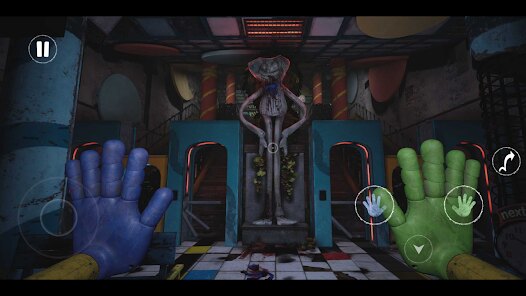
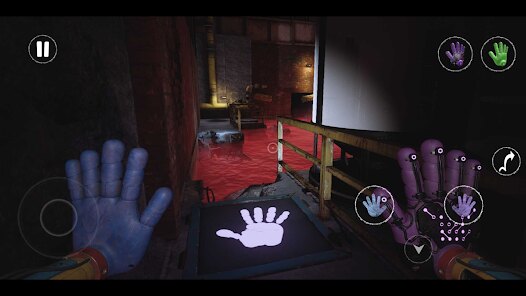
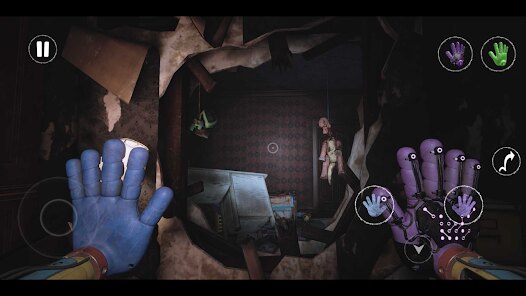
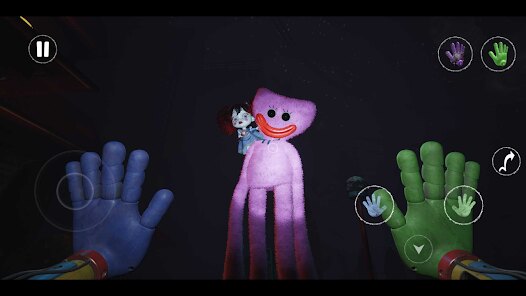
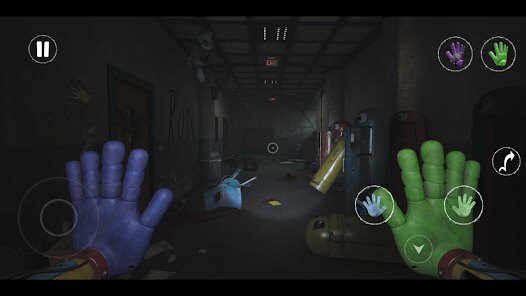
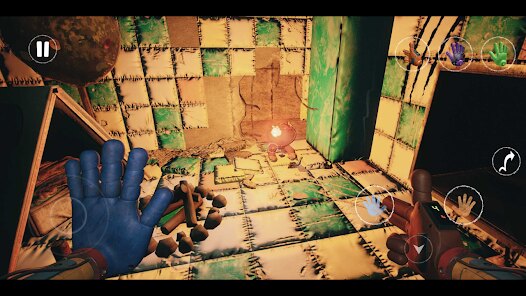
In-Depth Game Analysis
Poppy Playtime Chapter 3, developed by Mob Entertainment, is a first-person survival horror game that continues the grim, toy-factory saga. It blends environmental puzzle-solving with stealth and chase sequences, set in the eerie Playtime Co. factory. This installment leans heavily into psychological horror and exploration, offering a slower, more atmospheric pace compared to the jump-scare-heavy chapters before it. It's a title that will appeal to fans of narrative-driven horror like Outlast or Amnesia, but also to those who enjoy unpacking lore through environmental storytelling—think scouring notes, listening to tapes, and piecing together corporate corruption. Initially, I was drawn in by the buzz around the new antagonist, CatNap, and the striking dreamlike aesthetic of the Playhouse area. The trailers promised a shift toward more cerebral scares, and that got my attention as a way to see if the series could evolve beyond its initial jump-scare formula.
Jumping into the game, I found the experience surprisingly immersive from the start, but it took about an hour to fully click. The early corridors are moody, but the real magic happens when you enter the Playhouse—a sprawling, colorful nightmare zone. Controls are responsive on PC, and performance was smooth on a mid-range rig, with only minor frame dips during intense chase sequences. The learning curve is gentle: puzzles are intuitive, often requiring you to scan the environment for glowing clues, and the GrabPack—your multi-tool—remains a joy to use for pulling levers and snatching batteries. One standout moment came when I had to evade CatNap by hiding in a wardrobe, only for the monster to circle back and linger inches away, its breathing the only sound. That tension, built through lighting and audio design, exceeded my expectations. The game rewards patience and cautious exploration; I found that taking time to read every note and listen to every tape deepened my investment in the story. Adjusting gamma settings helped with the darker sections, making navigation less frustrating.
As someone who has played countless horror titles, I kept coming back to this game because it commits to its atmosphere rather than relying on cheap thrills. Unlike many survival horror games that become repetitive after the initial scares, Poppy Playtime Chapter 3 introduces variety in its threats—each chase feels scripted but nuanced, and the puzzles serve the story without feeling like filler. Compared to Chapter 2, which leaned heavily on mini-game bosses, this one focuses on slow-burn dread and environmental storytelling. It also avoids the pay-to-win traps of some indie horror games; there are no microtransactions disrupting the experience. The sound design—creaking floors, distant whispers, and that eerie industrial hum—really worked for me. I think it stands out in its genre because it respects the player's time and intelligence, offering a complete narrative arc within a few hours without cheap cliffhangers. It might not satisfy players who want relentless action, but for those who enjoy exploring a haunted, lore-rich world, it's a winner.
Core Gameplay Features
- GrabPack Mechanics 🎒: The GrabPack returns, letting you grab objects from a distance, pull switches, and connect power sources. It's essential for solving environmental puzzles, such as activating doors or lifting heavy barriers, and adds a tactile satisfaction to exploration. You have two hands, which lets you hold two items or interact with two puzzles simultaneously, requiring strategic thinking in tighter spots.
- CatNap AI Pursuit 😴: CatNap isn't just a chase monster; it stalks you through vents, sets traps, and creates hallucinations by projecting your fears. Its behavior adapts based on your actions—if you hide too often, it'll patrol key areas longer, raising tension. This AI makes each playthrough slightly unpredictable, as the creature's rhythm forces you to constantly reassess your hiding spots.
- Playhouse Environments 🏰: The chapter's central setting is a twisted children's play area with slides, ball pits, and colorful murals that turn sinister. Each room feels distinct, with puzzles tied to themes like "Bunzo Bunny's amusement" or "Pianosaurus's music room," offering variety in objectives and visual flair. The environment itself tells stories through graffiti and scattered toys, rewarding thorough exploration.
Strengths & Highlights
- Atmospheric Storytelling 📖: The game delivers its narrative through overheard conversations, diary entries, and environmental details, letting you piece together the factory's dark history. I loved finding a child's drawing that connected to a note from an employee, creating a cohesive sense of tragedy. This layered approach makes the horror more poignant, as you feel the weight of the past.
- Creature Design 🎨: Each antagonist, from CatNap to the dolls in the Playhouse, is strikingly designed with a mix of cute and grotesque elements. CatNap's gaunt, long-limbed silhouette and smoky aura are unsettling, while its sleepy demeanor makes sudden chases more jarring. The designs feel fresh compared to generic monsters, anchoring the horror in the game's toy-themed world.
- Sound and Music 🎶: The audio is superb—creaking floors, distant giggles, and a percussive soundtrack that builds tension without overwhelming. I especially appreciated moments of silence, where only my footsteps echoed, making every sudden noise feel like a thunderclap. The voice acting, though sparse, delivers lines with genuine dread, enhancing immersion.
Limitations to Consider
- Puzzle Repetition 🔁: Some puzzles, especially those involving matching symbols or rotating gears, return multiple times without much variation. By the third instance, I felt less challenged and more annoyed, as the solution was predictable. More variety in puzzle mechanics could keep the problem-solving fresh throughout the experience.
- Pacing Lulls ⏳: After intense chase sequences, the game sometimes drags with long corridors filled only with documents. While I love lore, these stretches can feel like padding, breaking the tension. Adding more interactive elements or subtle environmental threats during these segments would maintain momentum.
- Limited Enemy Variety 🐾: Outside of CatNap and a few scripted encounters, the chapter leans heavily on one main pursuer. This makes later sections feel less surprising, as you anticipate the same stealth tactics. Introducing smaller, persistent threats—like malfunctioning toys—could add layers of danger and counterpoint to the boss-style encounters.
Recommended Apps
![]()
Halloween: Secret of Shadow
HFG Entertainments4.5

![]()
Disco Fighter: Dead Fight Club
Wawe Technology0![]()
Swamp Attack
Outfit7 Limited4.6![]()
Monster Craftsman Survivor 3D
DINO GAME4.7![]()
Smashero.io - Hack n slash RPG
KLASH Games Inc.4.7![]()
Slice Master : Idle Clicker
Oreon Studios4.6![]()
MECCHA CHAMELEON
PlayLand Studio0![]()
Garten of Banban 2
Euphoric Brothers Games4![]()
Bike Race: Racing Game
iKame Games - Zego Studio4.6![]()
Hapunan Horror Game
2002 Studio4.3![]()
MiniGiants.io
Night Steed S.C.4.4![]()
Peppa Pig by PlayShifu
PlayShifu3.2![]()
Squishy Magic: ASMR Toy Maker
Dramaton4.6![]()
Gangster Simulator Crime Game
Orbit Games Pvt Ltd3.3![]()
Squid Game: Unleashed
Netflix, Inc.4.4













You May Like
-
![]()
IQ Test
Aliaksandr Uvarau4 -
![]()
MONOPOLY GO!
Scopely4.6 -
![]()
Race Master 3D: Car Racing
Beresnev Games4.5 -
![]()
Steal a Brainbot
finik0 -
![]()
World of Peppa Pig: Kids Games
Find Your Fun3.4 -
![]()
Minefun İo
3Dmobiles0 -
![]()
Stealth Master: Assassin Ninja
SayGames Ltd4.3 -
![]()
Witch Match Puzzle: Halloween
JULYis4.6 -
![]()
My Talking Angela 2
Outfit7 Limited4.4 -
![]()
Haunt the House: Terrortown
SFB Games4.9 -
![]()
Solo Survivor IO Game
FALCON GAME4.7 -
![]()
Arknights
Yostar Limited.4.5 -
![]()
Chapters: Interactive Stories
Crazy Maple Studio Dev4.4 -
![]()
ZooTone: Animal Voice Fun
JUP Game Studio4.5 -
![]()
eFootball™
KONAMI4.2